
Freestone vs Clingstone Peaches: What’s the Difference?
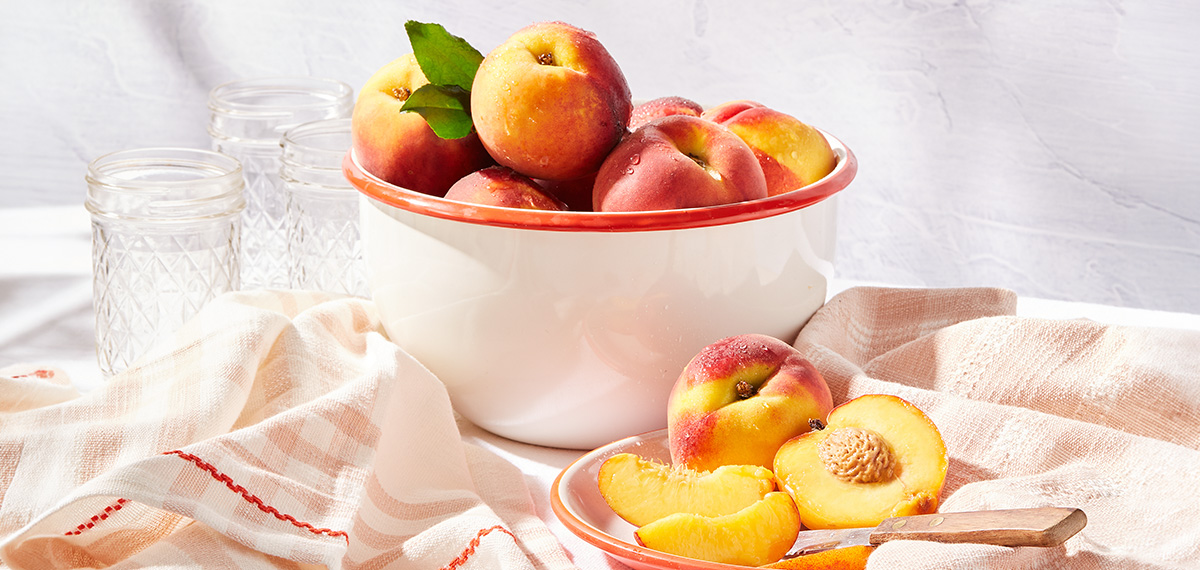
If you’ve ever cut into a peach only to find the pit stubbornly clinging to the fruit, you’ve encountered a clingstone. If the pit fell away cleanly, you enjoyed a freestone. But what’s actually the difference between these two types of peaches, and which one should you choose?
Understanding freestone vs clingstone peaches helps you pick the right fruit for eating fresh, baking, canning, or making preserves. Here’s what you need to know.
What Are Freestone Peaches?
Freestone peaches have flesh that easily separates from the pit. When you cut a freestone peach in half and twist, the pit lifts out cleanly, leaving you with two perfect halves.
These peaches tend to be larger, firmer, and hold their shape well when cooked. They’re the most common variety found at grocery stores and farmers markets, making them ideal for fresh eating and cooking.
Freestone peaches typically appear later in the season, from mid-July through September.
What Are Clingstone Peaches?
Clingstone peaches have flesh that clings tightly to the pit. When you cut one in half, the pit doesn’t release easily, and you’ll need to cut the flesh away from the stone.
Despite the extra effort required, clingstone peaches are often smaller, juicier, and sweeter than freestone varieties. Their higher sugar content and softer texture make them perfect for certain applications.
Clingstone peaches ripen earlier in the season, typically from May through early July.
Is There a Middle Ground?
Yes! Semi-freestone peaches (sometimes called semi-clingstone) offer the best of both worlds. The flesh mostly releases from the pit, though not always as cleanly as a true freestone.
Semi-freestone peaches combine the sweetness of clingstones with the easier pit removal of freestones. They typically appear in mid to late July, bridging the seasonal gap between the two main types.
When to Use Each Type
Choosing the right peach depends on what you’re making.
Freestone peaches work best for:
- Fresh eating out of hand
- Pies, cobblers, and tarts
- Grilling and roasting
- Slicing for salads or desserts
- Freezing for later use
Clingstone peaches are ideal for:
- Canning and preserves
- Jams and jellies
- Purées and sauces
- Ice cream and sorbets
Fun fact: nearly all commercially canned peaches are clingstone varieties because they hold their shape and flavor beautifully during processing.
How to Tell Which Type You Have
The easiest way to tell freestone from clingstone is to cut the peach in half along its natural seam and twist.
If the two halves separate cleanly and the pit falls out, you have a freestone peach. If you need to work the knife around the pit or the flesh clings stubbornly, you have a clingstone.
Time of year also gives you a clue. Early season peaches (May through June) are typically clingstone, while late season peaches (August through September) are almost always freestone.
Why Does It Matter?
The difference comes down to convenience and use. If you’re baking a peach cobbler for a crowd, freestone peaches save significant prep time. If you’re making homemade jam or canning peaches to enjoy through winter, clingstone peaches offer better flavor and texture.
Good news for those who want the easiest peach experience: Pittman & Davis Sweet Georgia Peaches are freestone varieties. That means clean pit removal, perfect slices, and less time in the kitchen prepping for whatever you’re making.
Tips for Working with Peaches
Ripeness matters more than type: Both freestone and clingstone peaches taste best when fully ripe. A ripe peach yields slightly to gentle pressure and has a sweet aroma.
Easy peeling for either type: Blanch peaches in boiling water for 30 seconds, then transfer to an ice bath. The skins slip right off, regardless of stone type.
Preventing browning: Toss cut peaches with a bit of lemon juice to keep them looking fresh while prepping.
Ready to enjoy fresh Georgia Peaches? Shop Pittman & Davis Peaches
Whether you’re baking a summer pie or canning fresh preserves, understanding freestone vs clingstone peaches helps you make the most of peach season.
Farm Fresh Gifts Since 1926
For nearly a century, Pittman & Davis has shared the bold, sun-kissed flavors of the Rio Grande Valley and beyond. From tree-ripened citrus to smoked meats, pastries, and handcrafted specialties, every gift reflects the land it comes from, the people who craft it, and the unforgettable taste it delivers.
Shop Now