
Mangoes Prep Guide: Stress-Free Cutting & Serving Methods
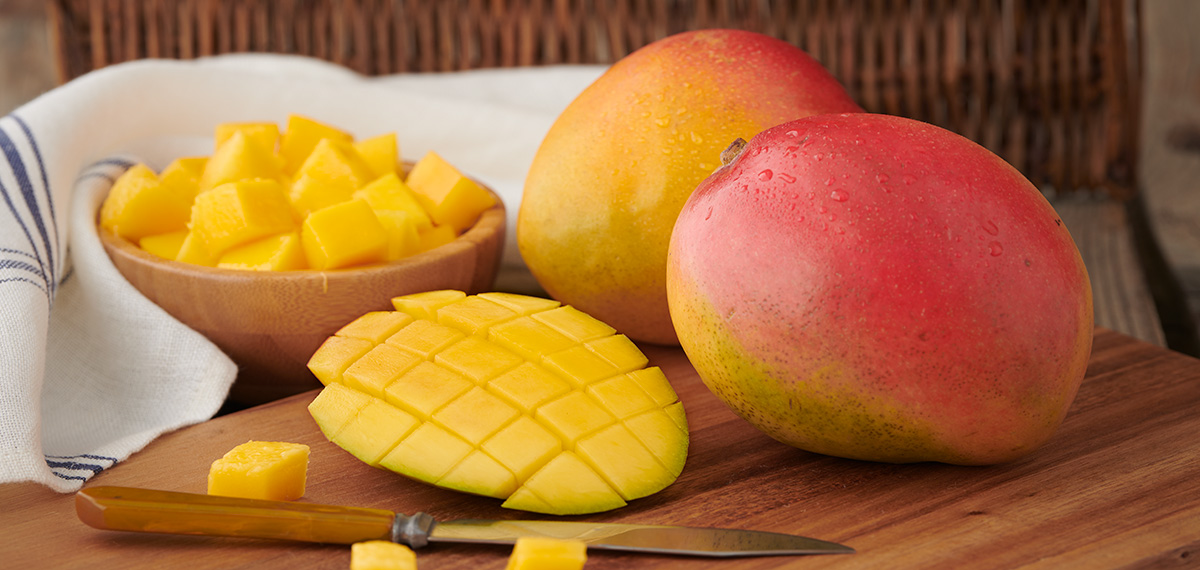
Fresh mangoes are a delightful tropical treat, but if you’ve never prepared one before, the pit and the juicy flesh can seem intimidating. The good news? Preparing a mango is simpler than you might think. With just a few easy techniques, you’ll be enjoying fresh Pittman & Davis mangoes with confidence. No special tools, no mess, just perfectly prepared fruit ready to enjoy.
Selecting & Ripening Mangoes
Before you cut into a mango, you need to start with a good one. Here’s how to choose and ripen quality fruit:
Look for ripeness: A ripe mango will give slightly when you gently squeeze it (similar to pressing a ripe peach). It should not be hard or mushy. The skin color varies by variety, so don’t rely on color alone to judge ripeness.
Check the aroma: Smell near the stem end. A ripe mango has a sweet, fragrant aroma. If it has little to no smell, it’s not quite ready.
Avoid flawed mangoes: Skip any fruit with large dark spots, cracks, or soft mushy areas. Small blemishes are fine, but look for mostly unblemished skin.
Mango season: Florida mangoes are typically available spring through fall, with peak season running June through September. This is when you’ll find the sweetest, freshest fruit from Pittman & Davis.
Ripening at home: If your mangoes aren’t quite ripe yet, simply place them on your kitchen counter for 2-5 days, checking daily for the slight give and sweet aroma. To speed things up, place them in a paper bag with a banana or apple, which release ethylene gas that accelerates ripening.
Don’t over-ripen: Once ripe, use your mangoes within 1-2 days or refrigerate them to slow further ripening. Overripe mangoes become mushy and less pleasant to eat.
Simple Mango Cutting Techniques
There are several easy ways to cut a mango. Here are the two simplest methods:
Method 1: The Cheek Method (Easiest)
- Hold the mango upright on your cutting board with the narrow side facing left and right.
- Using a sharp knife, carefully slice down along one side of the pit, creating a large oval piece (this is called the “cheek”). You’ll hear the knife hit the flat pit.
- Repeat on the opposite side, creating another large cheek.
- Set these aside. You’ll have a piece with the pit remaining in the middle.
- Score the flesh of each cheek by cutting crosshatch patterns into the mango (don’t cut through the skin).
- Turn the cheek inside-out by pushing on the skin side. The cubed flesh will pop outward like a hedgehog, making it easy to scoop off with a spoon.
- For the middle piece with the pit, carefully peel away the skin with a knife or vegetable peeler, then cut the remaining flesh away from the pit.
Method 2: The Peel & Slice Method
- Using a vegetable peeler or sharp knife, peel away the thin skin.
- Hold the peeled mango upright and carefully slice down along the pit. Rotate and repeat until all flesh is removed from the pit.
- Cut the flesh into bite-sized pieces or slices.
- This method takes a bit more care but produces neat slices perfect for presentations.
Serving Methods
Once your mango is cut, here are stress-free ways to serve it:
- Fresh and simple: Arrange mango chunks in a bowl with a spoon. Beautiful, refreshing, and no stress.
- With other fruits: Combine mango with other fresh fruits (berries, citrus, melon) for an easy fruit salad.
- On yogurt: Top plain yogurt with mango chunks for a healthy breakfast or light dessert.
- Straight from the skin: For the cheek pieces you’ve scored, simply hand it to your guest with a spoon. Let them scoop the cubed flesh directly from the skin—it’s elegant and requires no cleanup.
- With lime and chili: A light sprinkle of fresh lime juice and a tiny pinch of chili powder elevates fresh mango beautifully (optional for those who enjoy a little kick).
- Frozen treat: Freeze mango chunks on a tray, then transfer to a freezer bag. Enjoy them as a naturally sweet frozen snack.
Storage Tips
Once your mangoes arrive from Pittman & Davis, proper storage helps maintain their flavor and freshness.
- Room temperature: If your mangoes need to ripen further, keep them on the counter for 1-2 days until they reach perfect ripeness.
- Refrigerator: Once ripe, store mangoes in your fridge to maintain their flavor. Fresh mangoes can last up to six days in the refrigerator. For more detailed storage information, check out our guide on storing mangoes in the fridge.
- Freezing: Cut mango into chunks, freeze on a tray, then transfer to a freezer bag. Frozen mangoes last 3-4 months and work beautifully in smoothies or as frozen treats.
- Cut mangoes: Store cut mango pieces in an airtight container in the refrigerator for up to 3 days.
Ready to enjoy fresh mangoes? Shop Pittman & Davis Mangoes
Fresh, juicy, and surprisingly simple to prepare. Once you master these easy techniques, you’ll be enjoying mangoes all season long!

Farm Fresh Gifts Since 1926
For nearly a century, Pittman & Davis has shared the bold, sun-kissed flavors of the Rio Grande Valley and beyond. From tree-ripened citrus to smoked meats, pastries, and handcrafted specialties, every gift reflects the land it comes from, the people who craft it, and the unforgettable taste it delivers.
Shop Now